When the Bottle Speaks First
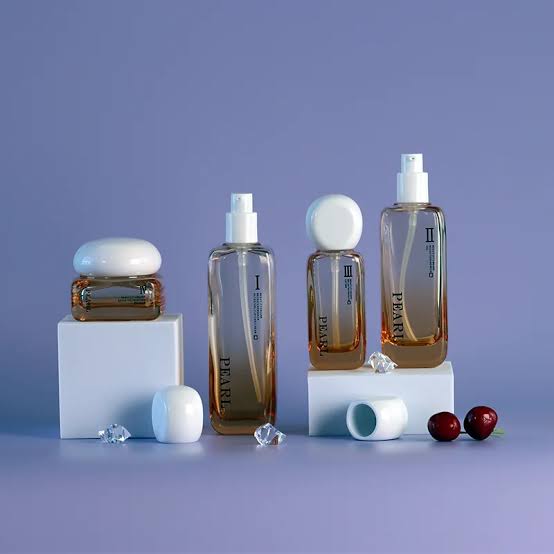
You know that moment at a launch when the room hushes and all eyes lock onto the display? A round perfume bottle steals the spotlight before anyone even says “top notes.” You reach for it because it looks right—balanced, shiny, like it knows your taste. Numbers back that instinct: industry surveys say most shoppers form an opinion on a pack in under 7 seconds, and many try a scent due to the bottle shape alone. So, if the bottle is the first handshake, why do so many teams still pick one by price and hope?
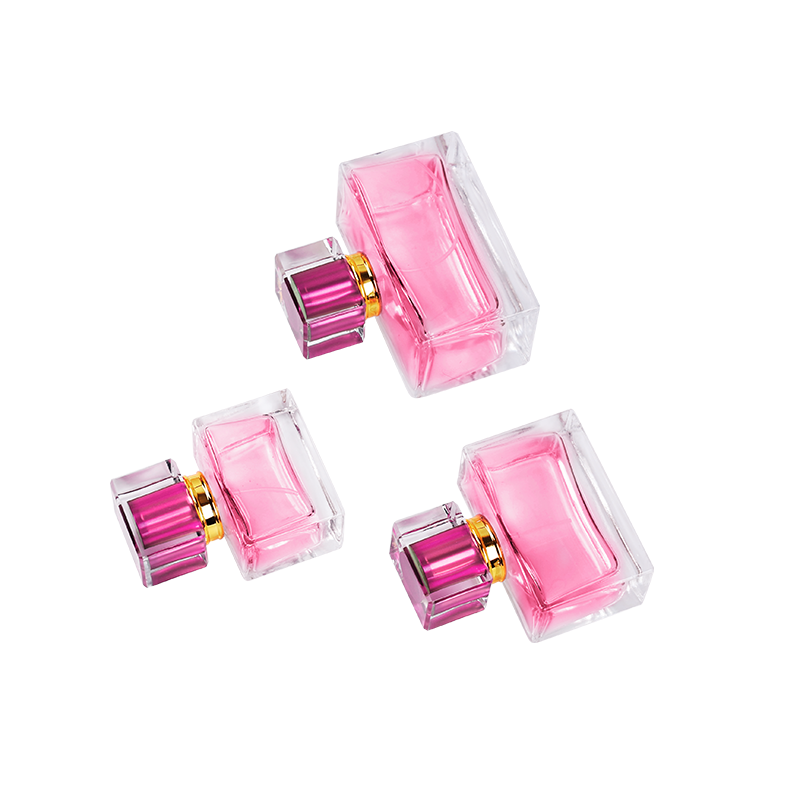
Picture the scene: your design wins the mood board, production nods, and the launch date is set (tight, as usual). Then a hiccup: mismatched pumps, wobbly bases, or a label that hates curved glass. The cost? Lost time and a few frayed nerves. Here’s the kicker—most of it is avoidable. The real question: how do you compare options in a way that blends look, feel, and line performance without breaking the budget? Let’s unpack that and see where the value really lives.
Wholesale Round Perfume Bottles: Where the Real Friction Hides
What’s the catch?
When teams order a wholesale round perfume bottle, they often assume “standard” means “plug-and-play.” Direct truth: it doesn’t. Small tolerance slips at the crimp neck can cause micro-leaks with certain atomizers. Inconsistent glass annealing can lead to hairline stress that fails a drop test at the worst time—during final QA. Batch-to-batch color drift can throw off your silk-screening, and a slightly off center-of-gravity invites shelf wobble. Look, it’s simpler than you think: when the geometry and finish data don’t match your filling line’s setup, headaches multiply fast.
Traditional fixes come late and cost more. Swap to a new pump? Now torque specs change. Add a spacer? Your cap sits high. Rework labels? Your timeline slips. And transit scuffing from weak dividers? That turns A-grade glass into culls—funny how that works, right? The pain points hide in the handoff between design, procurement, and operations. Solve the handoff, and you solve half the problem.
Beyond Price: Tech That De-Risks Your Bottle Choice
What’s Next
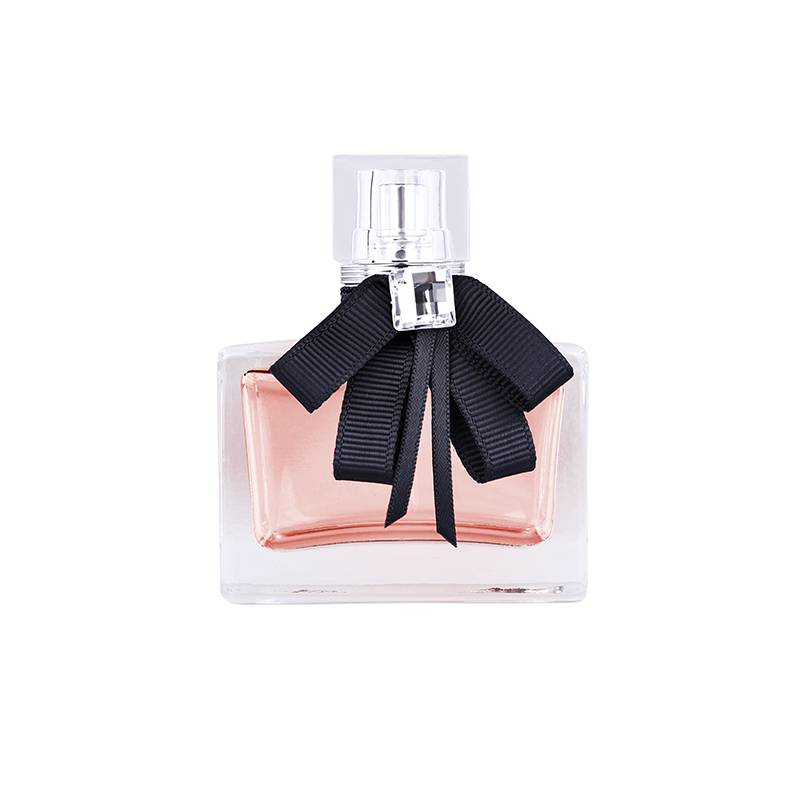
Here’s the forward-looking play: use new production and QC principles to make the bottle behave predictably on the line and in the hand. A capable round perfume bottle supplier now pairs hot-end forming with inline vision inspection, measuring finish diameters and ovality in real time. Laser profilometry checks neck runout so crimp consistency holds. Statistical process control narrows wall-thickness variation, so weight is stable and bases sit flat. Cold-end coatings reduce scuffing in transit. Then digital proofs align silk-screening with curvature data, so artwork lands where branding wants it—go figure.
This shifts the comparison from “Which bottle is cheapest?” to “Which process gives fewer surprises?” It also reframes capacity. You get fewer rejects, cleaner pump fit, and faster cap application. That means less rework and steadier cycle time. And the style? It stays pure because metallization and frosting are validated against real glass lots, not just samples. In short, we keep the romance, and we tame the variables.
Advisory close-out—three fast checks when you pick your solution: 1) Metrology depth: ask for neck and body dimensional reports, plus SPC charts for the last three lots; 2) Compatibility proof: request pump/crimp trials with torque and leak-rate data across at least two atomizer SKUs; 3) Transit readiness: confirm packaging spec (divider strength, coating, and pallet pattern) with a documented drop test. These metrics turn style into reliable performance, and help you compare like for like without guesswork. If you need a reference point for what that looks like in practice, keep an eye on partners that publish process data and play well with your line—such as NAVI Packaging.