Aisles, Deadlines, and a Shift You Can Feel
Peak hour hits. Pallets stack up near outbound. Workers look at screens and wait. The amr robot glides by a forklift, slows at a blind corner, and threads the space. Last year, this scene was rare. Now, it’s daily life in more warehouses across the West Coast. Some sites report double-digit gains in pick throughput and fewer traffic jams. Yet, here’s the twist: old fixes still sit side by side with new gear, and the bottlenecks move instead of vanish. Are we actually solving the right problems, or just shifting them around?
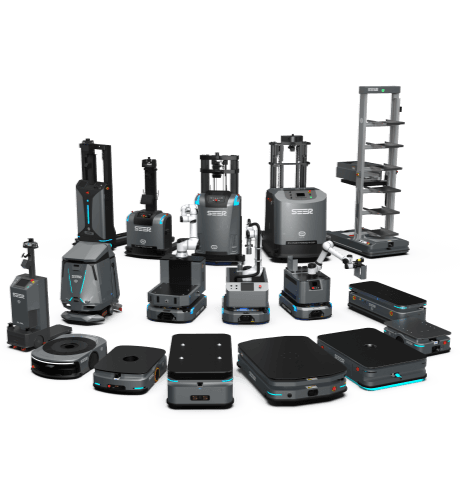
I’m taking a calm, floor-level look at what changed, what didn’t, and why it matters. The data is better, but the friction is real (and sometimes hidden). So, how do we separate true gains from shiny demos—and what should come next? Let’s roll into the details.

Where Traditional Systems Fall Short
Many teams jump from conveyor tweaks to pilots with warehouse automation robots, expecting an instant leap. But the legacy stack fights back. Fixed paths from old AGVs and taped routes don’t adapt to rush-hour chaos. Classic WMS rules push work in lumps, not flow. Then SLAM maps get brittle when racks move an inch—funny how that works, right? Add Wi‑Fi dead zones, and your robots pause at the worst spots. Look, it’s simpler than you think: rigid systems create rigid delays. The result is stop‑and‑go traffic that hides inside “average” cycle times.
Why do conveyor belts still jam?
Because we treat variance like a bug, not a feature. Real floors breathe. Pallets vary. Humans improvise. When the system can’t flex, downstream nodes choke. Fleet management tries to recover, but without edge computing nodes near the action, decisions arrive late. Safety scanners overreact to glare. Power converters drag under peak draw. And the KPI that matters—flow stability—gets lost behind a wall of “utilization” charts. The flaw isn’t workers or robots; it’s a control model that assumes the world stands still.
From Fixed Logic to Living Systems
So where do we go from here? New principles are landing, and they shift control from brittle scripts to adaptive loops. Modern warehouse automation robots build semantic maps, not just lines and nodes. That means the system understands “dock,” “pick face,” and “no‑go” as roles, not just coordinates. Event-driven planners rebalance jobs in milliseconds. Local edge computing nodes arbitrate right at the aisle. If a picker blocks Slot C, routes ripple around it like water. LiDAR plus vision cross-checks reduce false stops. Battery health is forecasted, not guessed, and swaps schedule themselves—no drama.
What’s Next
Comparatively, the difference feels like moving from paper GPS to live traffic. You still need the map, but context wins. The future stack layers robust APIs, safety-certified controllers, and fleet orchestration with real-time SLAM updates. Private 5G or well-tuned Wi‑Fi 6 keeps packets on time. And digital twins test flows before you bump a single rack—nice. The lesson so far: we didn’t just need faster bots; we needed systems that learn, flex, and recover. Here’s a practical way to choose: 1) Flow resilience under stress—measure time to recover after a blocked aisle. 2) Throughput per square foot—compare peak hour against baseline, not daily averages. 3) Mean time to autonomy—how fast a robot handles a new layout without retraining. If a vendor can demo these with clear numbers and logs, you’re closer to the truth—Look, it’s simpler than you think.
Keep the tone steady, watch the floor, and push for data you can verify. People, process, then platforms. That mix is what turns “pilot glow” into sustained gain. For teams ready to explore, you’ll find grounded approaches at SEER Robotics.