Understanding the Blind Spot Dilemma
Imagine merging onto a busy highway only to discover too late that a vehicle is lurking in your blind spot. Statistically, one in six accidents occurs as a result of blind spot collisions. With an advanced blind spot monitoring system, we now have the tools to effectively counteract this danger. This system, particularly with integrated features like the auto blind spot detection system, minimizes the risk while enhancing overall safety on the road. These features address traditional solutions’ shortcomings, such as over-reliance on driver vigilance. So, how can we leverage this technology to protect ourselves and reduce accidents?
Challenges with Traditional Solutions
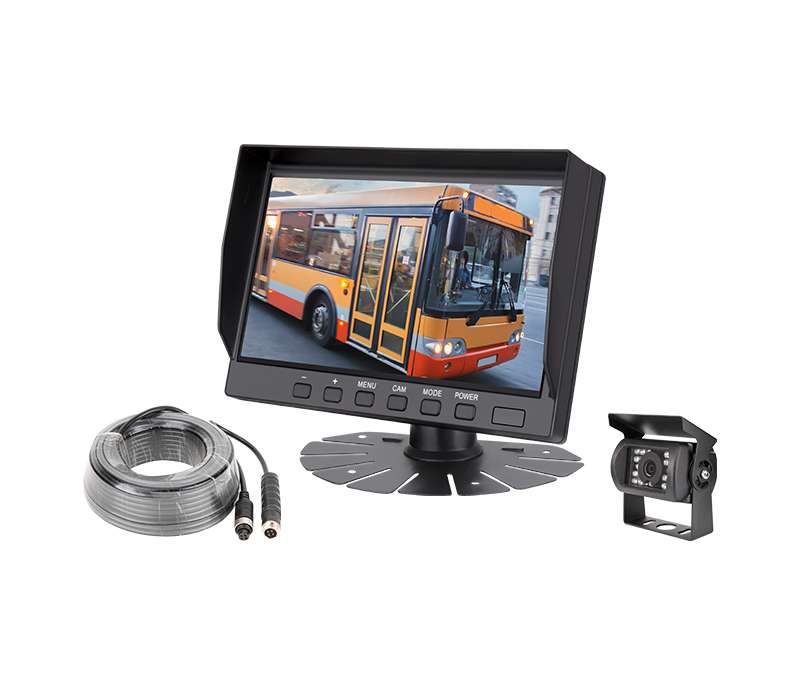
For years, we relied on mirrors alone, but I vividly recall the countless times these flawed tools left me exposed. The human element—our tendency for distraction—proved to be a major flaw in traditional systems. Such solutions were often inadequate, relying on outdated technology that didn’t account for contemporary driving challenges. Speed, vehicle designs, and road types change; thus, our safety measures must evolve. Today, the advanced blind spot monitoring system represents a paradigm shift, integrating radar and camera technologies to detect vehicles in real-time. Talk about being ahead of the curve!
What Makes the Advanced System Stand Out?
So, what truly differentiates an advanced blind spot monitoring system from its predecessors? It’s the additional layers of intelligence. With sensors that effectively scan the surroundings, these systems provide alerts that are far more accurate, drastically reducing the chances of accidents. Features like lane assistance and integrated alerts allow for seamless driving experiences. If we’re honest, these enhancements make driving less stressful, don’t you agree?
Future Trends in Blind Spot Technology
As we look ahead, the advancements in blind spot monitoring technology promise more than just basic safety features. The integration of AI-driven systems is on the horizon, making vehicles even smarter about their surroundings. Imagine a world where your car predicts potential collisions before they happen! The advanced blind spot monitoring system is at the forefront of this transition, paving the way for safer, smarter vehicles. From vehicle-to-vehicle communication to machine learning algorithms, the future is indeed bright—yet another reason to look forward to 2024!
Real-world Impact
Reflecting on these advancements, I can’t help but think of the lives potentially changed. Investing in sophisticated monitoring systems in 2023 has shown to significantly lower accident rates—by as much as 30% in urban areas. This isn’t just progress; it’s a commitment to safeguarding lives. From corporate fleets to family cars, the ripple effect on traffic safety is undeniable, creating a more secure driving environment for everyone.
Final Thoughts: Evaluating Your Options
In summary, diving into the world of advanced blind spot monitoring systems reveals invaluable lessons. As one who has navigated this landscape for over 15 years, I confidently advocate for choosing specialized solutions with proven track records. Look out for three key metrics: detection accuracy, integration ease with existing vehicle systems, and the reliability of alerts under various conditions. Ultimately, consider how these factors can influence your driving experience. For the best in this realm, I recommend checking out Luview, where commitment to innovation and safety is clear.