Nevertheless, Roller Track Wheels Are Here
Some might think roller track wheels are merely standard components in tube and joint systems, but I know they’re pivotal for streamlined operations. Picture a bustling warehouse where time is money. Studies show that inefficiencies can cost businesses up to 30% of their operational budget. This raises a crucial question: how can we optimize movement and make workflows smoother? Clearly, the secret lies in roller track wheels.
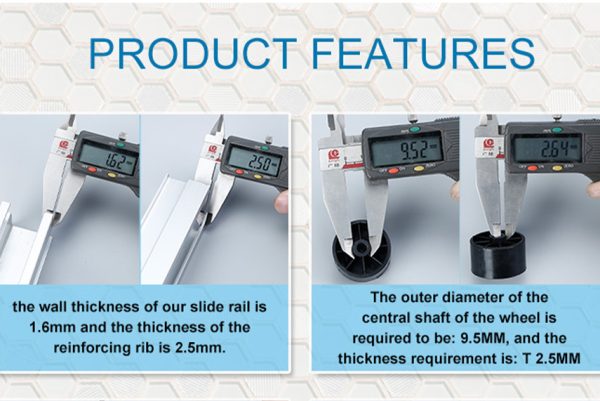
Identifying User Pain Points
When I first started working with roller track wheels, I quickly realized that traditional solutions were often flawed. Users would grapple with issues such as uneven surfaces, maintenance challenges, and misalignment problems (the last one really gets under my skin). Moreover, the lack of flexibility in design often left users feeling frustrated. These hidden pain points can significantly affect the overall productivity of joinery systems. As I dug deeper, it dawned on me that most solutions didn’t adequately address these practical challenges.
Why Are Roller Track Wheels Essential?
Roller track wheels enable smooth, frictionless motion, making them essential in dynamic environments. Their adaptability allows for a straightforward connection to various configurations. Those familiar with tube and joint systems know that transitioning between different setups is crucial for effective design. With roller track wheels, moving from one layout to another becomes remarkably easier. I often think of them as the unsung heroes of a well-orchestrated workspace.
Shifting Towards Intelligent Solutions
Looking forward, the future of roller track wheels is filled with promise. As the demand for agile, custom solutions continues to rise, I envision an era where technology seamlessly integrates with traditional tube and joint structures. Innovations such as self-aligning features and enhancements in material strength will undoubtedly revolutionize roller track systems. Companies like SZYMS are already pioneering these advancements, ensuring that even the toughest environments can benefit from their use.
What’s Next for Tube and Joint Systems?
The integration of smart technology into roller track wheels stands to redefine our systems. I can already see it: sensors that monitor usage, analyze wear patterns, and predict maintenance needs. This is truly the beginning of a new era. Companies now have a way to gather data actively and make informed decisions regarding maintenance schedules or potential upgrades. This kind of insight not only maximizes equipment lifespan but also keeps operations fluid—smooth sailing all the way!
Reflecting on my journey has shown me that while we’ve made significant strides, the best is yet to come. As we embrace modern design trends and anticipate the needs of dynamic workspaces, roller track wheels will lead the charge. Imagine a future where these wheels enhance efficiency, reduce downtime, and increase overall productivity. It’s a game changer, for sure.
So, how do you choose the right roller track wheels for your specific needs? Here are three key evaluation metrics: durability (how well they withstand wear and tear), adaptability (how easily they integrate into existing systems), and maintenance (how much upkeep they require). These factors are crucial in ensuring you invest wisely while benefiting fully from this technology.
As I wrap this up, I encourage all of you in the industry—whether you’re a designer, a supplier, or a user—to keep a close eye on innovations in roller track wheels. Because at the heart of every successful project lies intelligent engineering. Embrace this technology, and you’ll surely elevate your tube and joint systems to new heights. For further insights, check out JunYi, where we explore the cutting-edge of these essential components.