Introduction: A Porch-Light Story, With Numbers
Last winter, I came in with muddy boots and two bags of feed. The foyer was dim, the switch was stiff, and my hands were full. nan showed up on my neighbor’s smart meter that same week, meaning his reading broke and went “not a number” on him—funny how that works, right? Here’s the plain truth: about 10% of home electricity goes to lighting, and studies suggest entry zones over-light or under-light nearly 30% of the time due to bad placement and glare. So you fight shadows at the door, or you get a harsh blast that hurts your eyes. Then you step inside and forget it until the next trip. Simple life, simple frustrations.
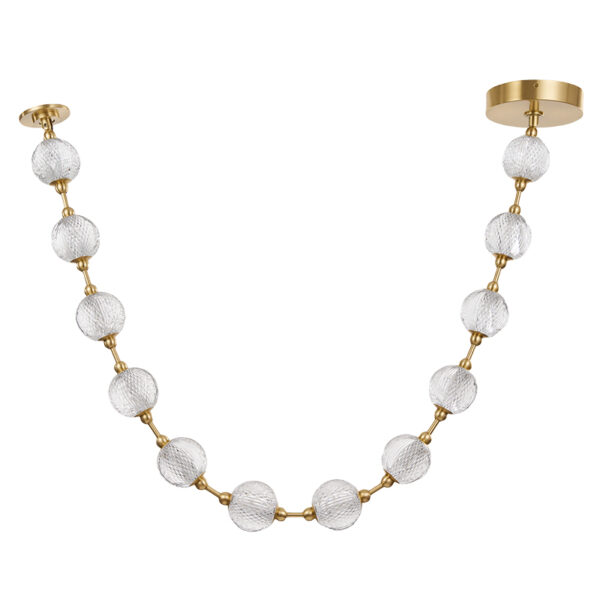
I’ve seen this across farmhouses and city flats. The problem isn’t just “more watts.” It’s control, beam spread, and a good ceiling anchor with the right driver. When the first five feet feel wrong, the house feels off. And that first impression matters. So the question is this: what if the light at the door could think a little, waste less, and welcome more? Let’s walk inside and pull this apart—slow and steady—to see what really needs fixing next.
Where Old Fixtures Fall Short in the Entry
Why do classic setups keep missing the mark?
Let’s be direct. Many traditional dome lights and pendants scatter light in all the wrong ways. They throw glare into your eyes and leave the floor in shadow. That’s a bad glare index problem, not just a bulb problem. Now, look at modern entrance hall chandeliers. The good ones use balanced optics, a tight ceiling plate, and a steady power path. Better fixtures pair LEDs with constant-current drivers and tuned diffusers. That keeps the light level even, cuts hotspots, and holds color right at the door. Look, it’s simpler than you think.
Old rigs also fight your day-to-day rhythms. Triac dimmers buzz. Cheap power converters flicker. Motion sensors trigger late or not at all. You end up tapping the switch twice with cold fingers. Insulation settles, the canopy wiggles, and the whole thing sags a hair—annoying. Over time, that means poor comfort and wasted energy. The deeper issue is control and build. You need clean wiring, a driver that doesn’t drift, and optics that shape the beam for a small, tall space. If the fixture can join a simple mesh or timer, even better. That way the hall greets you. Not the other way around.
Comparing the Next Step: Smart Principles, Real Entry Gains
What’s Next
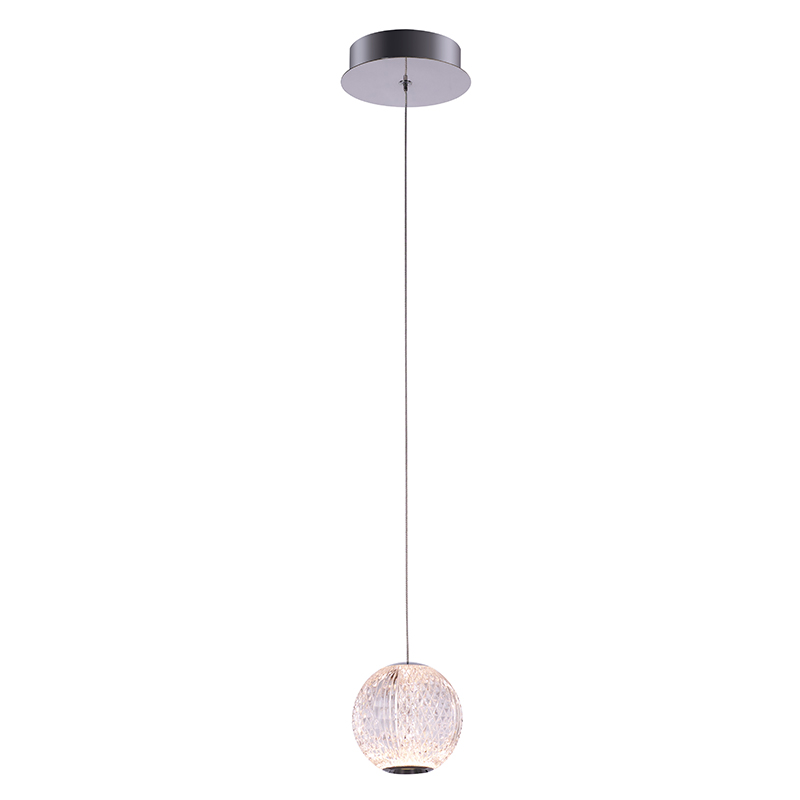
Let’s take a forward look. New designs use clear principles. First, steady power; then smooth control; then good optics. Quality LED engines run on constant-current with low ripple, so you don’t see flicker when your eyes are tired. Diffusers in the better acrylic pendant lights spread a soft, even field while keeping the ceiling bright enough to feel open. Some models support simple BLE mesh, which means small edge computing nodes can adjust light on the fly—no big hub, no fuss. You get quiet dimming, a clean beam, and a quick hello when you cross the mat. Different from old gear, this isn’t about brute lumens. It’s about the right lumens in the right place—at the right time.
Now, stack it side by side. Old fixture: brittle sockets, guesswork dimmers, and glare that makes mail sorting a chore—been there. New path: tested drivers, UGR-aware optics, and a light that learns simple patterns (early dusk, late return). If you want a simple way to choose, use three checks—straight as a fence line. One: driver quality and dimming method (PWM or analog) with low flicker. Two: optical design and stated UGR or beam angle for small foyers. Three: control fit, such as BLE or timer scenes you can set once and forget. You’ll see the welcome improve, energy smooth out, and the first five feet feel right—finally. That’s the kind of quiet upgrade a home deserves—no big fuss, just good sense. kinglong