Introduction
At dawn, the office is quiet, and the first clatter breaks it—a lid snaps shut, a liner tears, a hall echoes. In that small moment, trash can manufacturers step into the scene, because simple parts shape daily work. Industry counts suggest the 13-gallon format carries a large slice of office and kitchen volume, often near a third of orders across mid-size buyers. Yet breakdowns keep happening: warped lids, loose pedals, liners that snag. So why do small failures still cost so much time and budget?
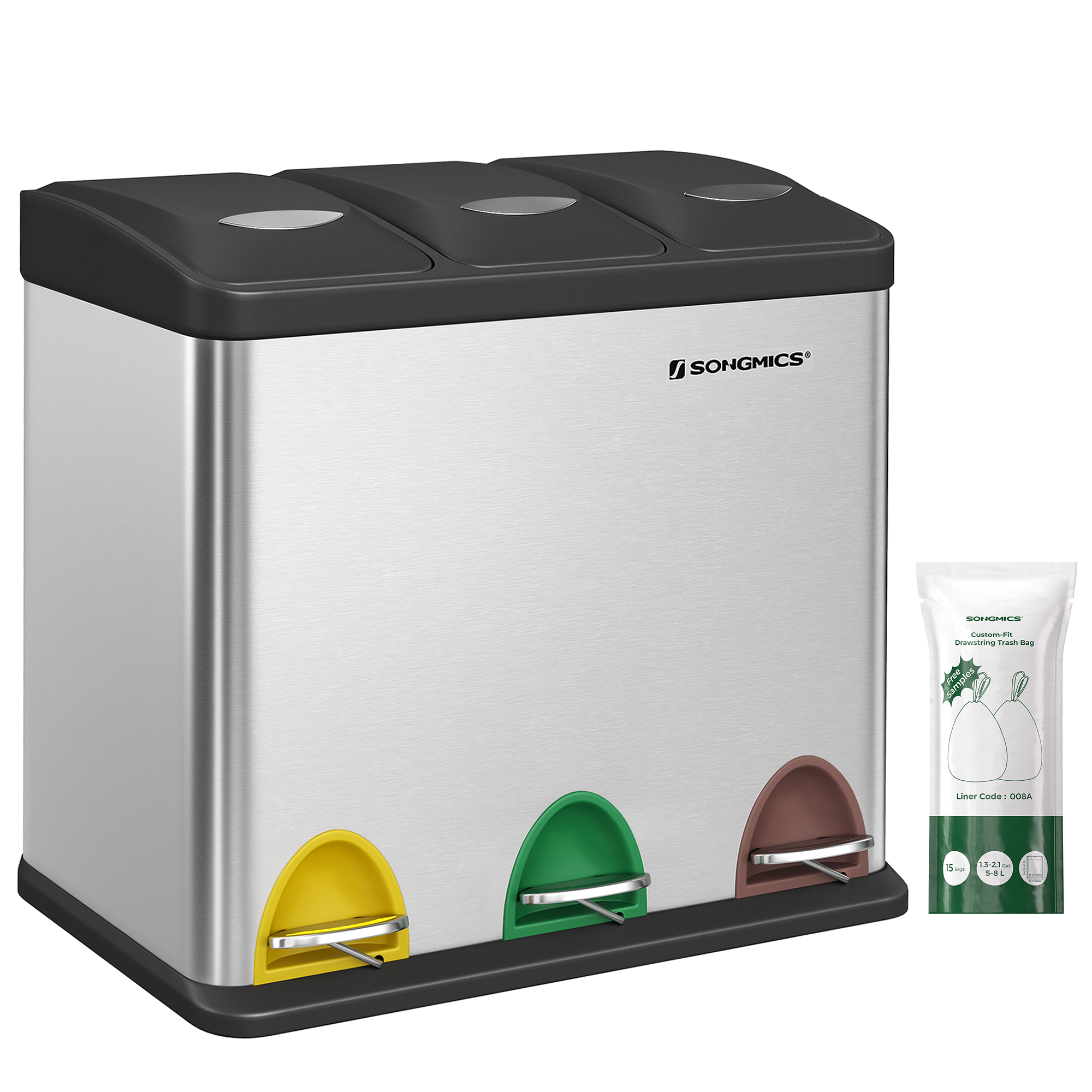
Think about the chain behind a bin: injection molding, mold tooling, quality checks, and even sensor lids with tiny power converters. Each point changes cost and performance. But end users don’t see the chain—they feel it when a hinge gives out. The question is simple: what makes one 13-gallon bin last, while another quits? And what trade-offs matter most in real rooms, not just on spec sheets? (Because specs don’t take out the trash.) Let’s walk through the weak spots and how buyers can measure them, step by step, before we compare what’s next.
The Hidden Gaps in 13-Gallon Choices
What actually fails first?
Start with the part you touch daily. Many buyers choose wholesale 13 gallon trash cans by finish, price, and basic capacity. That feels safe. But the real friction hides in the hinge, liner ring, and pedal linkage. Under load, thin resin walls flex; liners slip; pedals deform. Look, it’s simpler than you think: failure points show up where torque and hands meet. If the resin blend has a poor melt flow index, corners get weak after cooling. If hinge cycle testing is light, lids feel fine at day one but wobble by week six. And if the liner ring lacks a proper draft angle, bags snag and tear—funny how that works, right?
Remember the early morning scene? That sound costs time. Custodians double-bag to avoid rips. Staff leave lids open to dodge the pedal. Over a month, your waste route slows. The “cheap” bin isn’t cheap when labor rises. Technical hints can help. Ask about wall thickness at stress points, not the average. Check load rating on the pedal assembly, not only the body. Look for ultrasonic welding on stainless frames, or at least a secure rivet spec. And if you use motion-sensor lids, verify the step-down power converters and sealing grade, because a wet kitchen kills electronics fast. These are small checks, but they map to big wins.
Comparing Today with Tomorrow
What’s Next
Now let’s shift forward. New design principles are reshaping the 13-gallon standard—and not just for show. First, materials: higher-impact polypropylene and blended PCR resin cut cracks while reducing footprint. The principle is straightforward: distribute stress with ribbing and reinforce hinges, then tune cooling to avoid warp. Second, assembly: tighter torque spec for fasteners and better hinge pins extend cycle life. Third, sensors: sealed housings, lower-draw boards, and smarter sleep logic keep batteries alive far longer. A good portable trash can supplier will test each of these as a system—not as parts. Different spaces demand different trade-offs, and the best builds make that clear with simple, readable data.
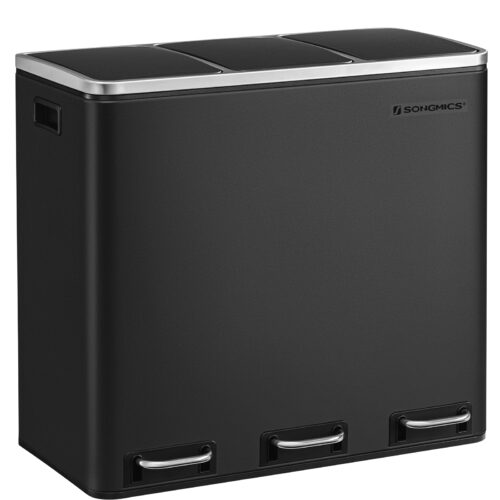
We can see the path through real rooms. Offices want quiet lids, strong liner rings, and slim footprints by the desk. Kitchens want smooth interiors, easy rinse, and hinges that don’t trap grime. Facilities teams want parts that swap fast. So, side-by-side comparisons matter: same height, same liner size, different hinge cycle counts and pedal load ratings. When you test like this, small design choices show big value—less rework, fewer rips, cleaner floors. Edge case? Sensor bins in humid spaces fail unless seals and gaskets are rated right—keep an eye on that. And yes, recycled resin works when cooling and ribbing are tuned. The trick is system fit, not one magic spec.
To wrap up, use three clear metrics when you evaluate solutions: 1) durability under use, measured by hinge cycle testing and pedal load rating over time; 2) bag management, checked by liner ring grip and draft angle to stop snags; 3) serviceability, proven by access to replacement parts and simple fastener standards. Keep it honest, keep it simple, and your teams will feel the difference day to day. For grounded options and spec clarity, see SONGMICS HOME B2B.