Introduction: Why Your Next Event Hinges on Clear Choices
Here’s the straight-up truth: a packed room with five languages can run smooth as silk—or go sideways in seconds. The interpretation system has to juggle voices, channels, and coverage without breaking a sweat. When multilingual interpretation is in play, a tiny delay can snowball; 120 ms in the wrong segment, and people start missing the thread. Picture a town hall in Brisbane: mixed seating, glass partitions, a buzzing media pit. Data tells us even modest RF noise can lift the noise floor by 6–8 dB, while a poor channel allocation spikes dropouts. So, why do some setups keep it steady while others drift, mate?
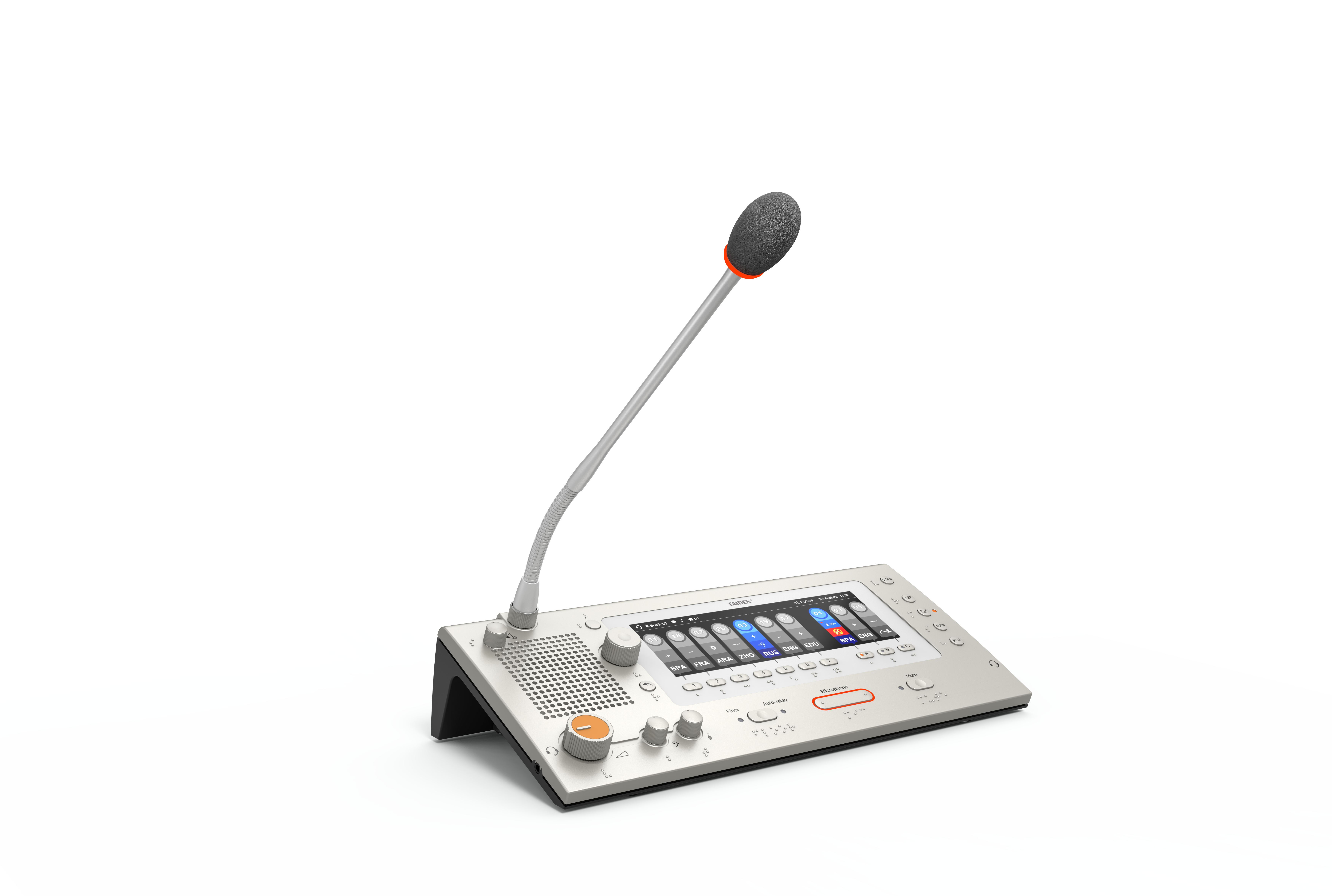
We’ll line up the options, compare trade-offs, and show where the real wins come from (no dramas). Direct, clear, and with enough tech detail to make it useful—then we’ll stack them side by side, fair go. Let’s dive into the bits that usually get missed and the choices that actually matter next.
Hidden Pain Points Users Rarely See
Where do the bottlenecks hide?
Most issues don’t start on stage—they start in the gaps. Ushers hand out receivers where sight lines to infrared emitters are patchy; people sit under balcony edges; and you end up chasing coverage shadows. That’s when the latency budget gets squeezed by ad‑hoc DSP chains, and the digital audio codec tries to mask packet loss. Add a messy RF environment, and your headsets fight for stable lock—funny how that works, right? Look, it’s simpler than you think: poor channel planning plus uneven power converters can ripple into dropouts and fuzzy syllables, even if the mics are top-notch. Users only feel “it’s hard to follow,” but the root is in infrastructure, not accents.
Another quiet culprit is logistics. Battery swaps run long; receivers aren’t paired; interpreters get hot mics with no pre-fade listen. Translation: the booth crew loses confidence, and timing slips by a beat. Edge computing nodes at the room level can trim hops and cut delay, yet many venues still backhaul every stream through a single rack. That central choke point inflates jitter and dents resilience. When a single cable fails, your redundancy falls flat because the topology wasn’t truly dual-path. People call it a “language problem,” but it’s often a systems problem—channel allocation, coverage design, and power redundancy set the tone long before the first speech.
Comparative Insight: New Principles and Practical Picks
What’s Next
Let’s look forward. Modern simultaneous conference interpreting equipment is shifting from “strong transmitter, hope for the best” to “smart distribution with feedback.” New principles tie together three layers: signal integrity, network hygiene, and human workflow. First, signal integrity: adaptive infrared arrays or well-managed RF with dynamic power leveling keep the noise floor low across aisle seats and back rows (even under mezzanines). Second, network hygiene: prioritised QoS and short DSP chains protect your latency budget. Third, workflow: interpreters get clean sidetone, fast channel change, and booth monitoring that shows channel congestion in plain view. Semi-formal tone here, sure—but the wins are real. Reduce hops, map coverage, and use codec profiles matched to speech, not music—no worries.
Now compare approaches. Legacy centralised racks promise neat wiring but create single-point fragility; distributed nodes near rooms add resilience and shave delay, with PoE plus redundant power converters for safety. Infrared beats RF for privacy and interference immunity in sensitive spaces; RF shines in non-line-of-sight setups and quick reconfig jobs. The best fit? Often hybrid: infrared for plenary, managed RF for overflow, both clocked tight. Summing up earlier points without rehash: users notice clarity and timing, not spec sheets; your real levers are coverage geometry, codec choice, and practical redundancy. Advisory close: when choosing solutions, test on three metrics—1) end-to-end latency under live load (target ≤120 ms), 2) channel capacity versus room footprint (seats, sight lines, and obstructions), and 3) resilience to interference, measured by SNR stability and failover response. Keep it human, keep it robust—and keep learning alongside partners like TAIDEN.