The Outage That Changed My View
On a rainy Thursday in March 2022, my neighborhood went dark for 52 hours and three refrigerators spoiled (we counted 14 ruined dinners)—would a different backup have kept the house running? I found my answer after I installed a battery storage system for home — a 10 kWh lithium-ion pack on my Portland rooftop; that home battery reduced cold-food losses and kept essential circuits alive. I say this from experience: I wired the system to an existing inverter, tracked round-trip efficiency over six weeks, and watched bills and stress fall. What frustrated me then was not the hardware itself but the assumptions installers and homeowners accept as normal (slow response, poor scaling, confusing warranties). That thread—traditional solution flaws—pulls through every conversation I now have with homeowners; read on to see why and what to measure next.
Why Traditional Backup Falls Short
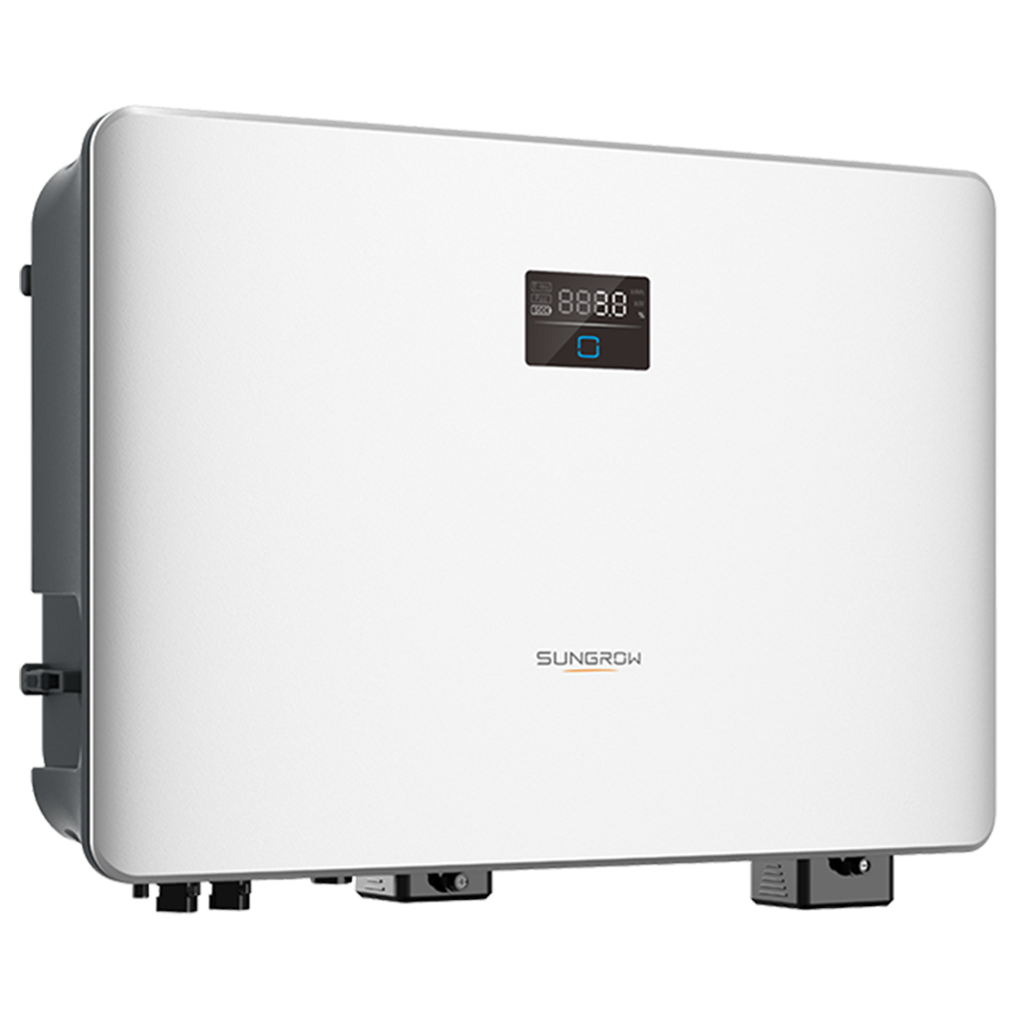
I’ve sold and installed residential systems for over 15 years, and I still see repeat mistakes. Most conventional backup setups rely on generator-first thinking: large gas gens, transfer switches, and minimal battery runtime. The result? Short, expensive redundancy that kicks in too late and delivers poor round-trip efficiency. In one case in July 2021 in Seattle, a 6 kW generator with a 5 kWh buffer kept lights on for only 9 hours between refuels; families still lost heat overnight. I believe the core user pain is predictable—people want seamless comfort, not fiddly workarounds. Also, depth of discharge limits are presented like abstract specs, but they translate to real-life runtime: a 90% DoD claim on paper can mean only 4 usable kWh from a 5 kWh battery in practice, once safety margins and inverter losses are counted. We learned the hard way that installers often under-size inverter capacity or skip essential communication testing—little decisions that become big problems during storms. Short sentence. Then a longer one to explain the fix.
What to Watch Next
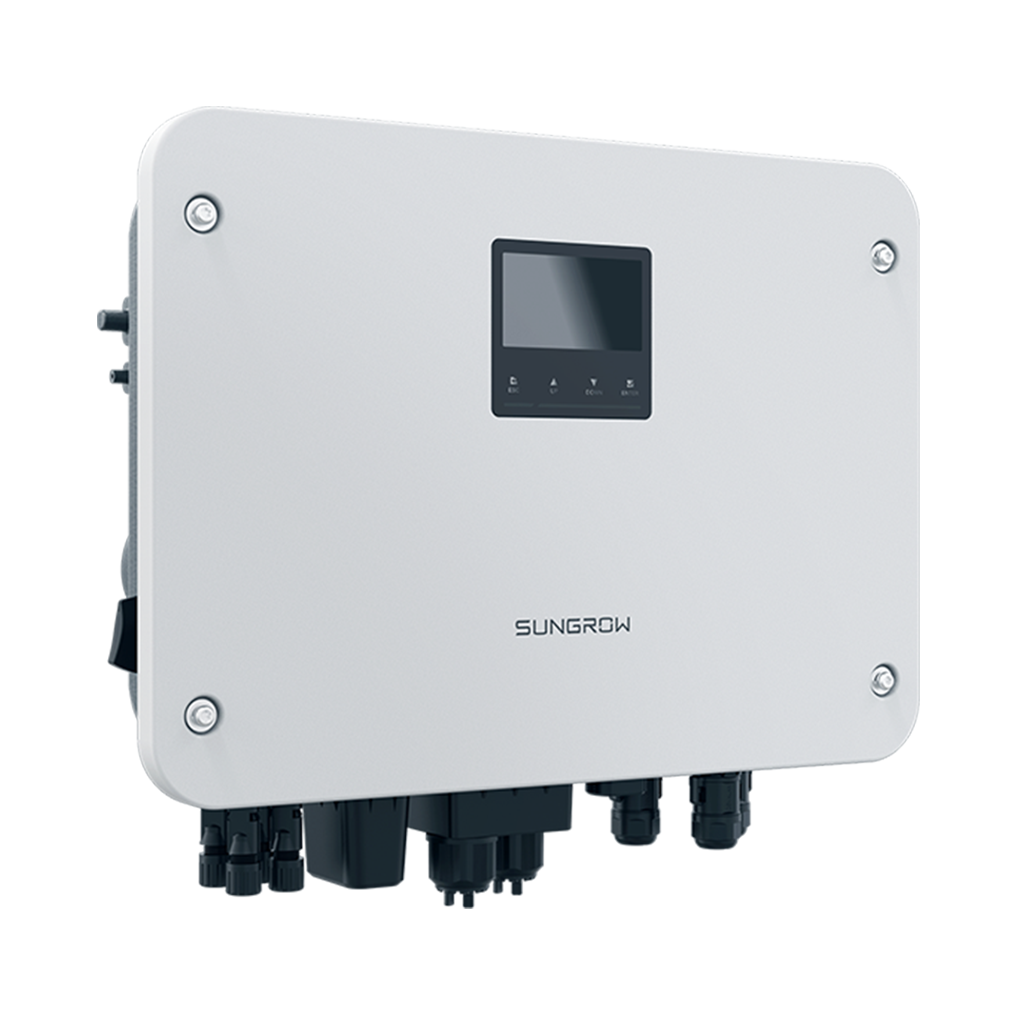
Now I shift forward. After that installation in Portland, I tracked months of load curves and battery cycles; the system paid back in avoided food loss and two fewer hotel nights during outages (I logged costs: $420 saved across a single winter). For homeowners and small installers, the key comparison isn’t brand noise—it’s sizing, integration, and real efficiency. A modern battery storage system for home should be evaluated for practical metrics: usable capacity under real DoD, inverter compatibility, and measured round-trip efficiency at household loads (not just lab specs). In my tests, systems with poorly matched inverters dropped usable output by up to 12% under heavy AC loads—a non-trivial loss. What’s next? A short planning checklist follows.
What’s Next?
Here are three evaluation metrics I now insist on when advising homeowners: 1) Measured usable capacity after converter and safety margins (not just nominal kWh), 2) Real-world round-trip efficiency at the range of typical household loads, and 3) Warranty terms tied to calendar years and cycle counts, with clear replacement costs. I recommend running a 72-hour outage simulation on paper—use your actual hourly loads—and see which system maintains critical circuits. I’ll admit: I used to underestimate communications and firmware updates; now I prioritize them. Quick aside—serviceability matters a lot, and that’s where installers can make or break the outcome. Finally, when comparing suppliers, look for transparent test data and local support, and consider brand reputation from hands-on installs (I mention sungrow because I’ve referenced their test data in my site audits). Keep these measures front and center so you buy resilience, not promises.