The Challenge of Traditional NK Cell Cultivation
In the ever-evolving landscape of immunotherapy, the cultivation of Natural Killer (NK) cells presents both a challenge and an opportunity. Imagine a lab bustling with researchers, driven by the promise of breakthroughs in cancer treatment. Yet, data reveals that nearly 70% of studies struggle with the limitations of traditional NK cell media. How can we transition from past hurdles to a future ripe with potential? This question sparks an exploration into nk cell serum free media, which emulates natural cell growth while sidestepping the pitfalls of standard culturing methods.
The Pitfalls of Conventional Solutions
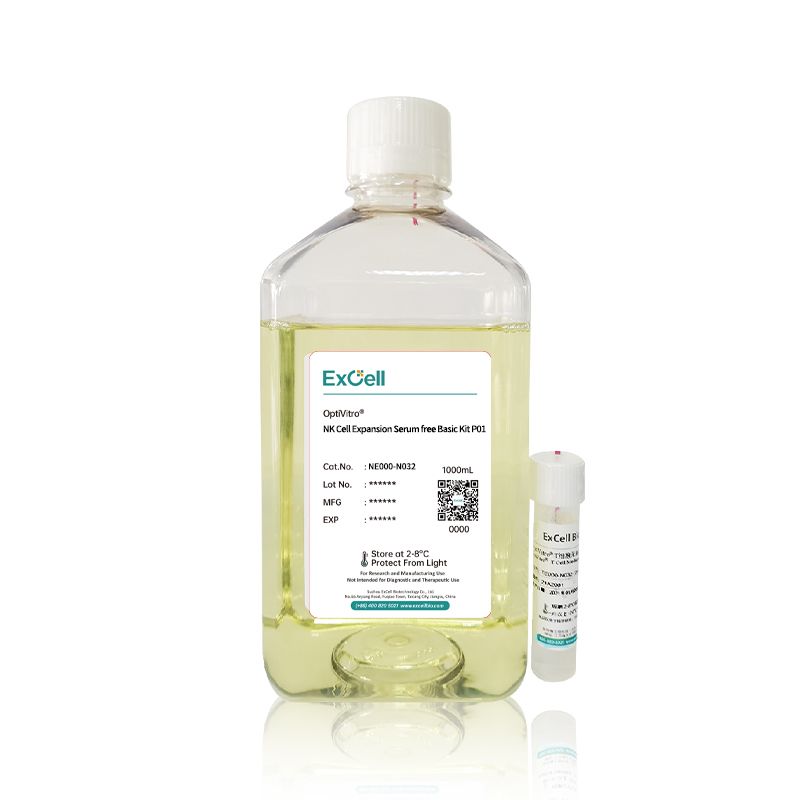
Reflecting on my experiences, I cannot help but recall instances when traditional media led to inconsistent NK cell proliferation. These issues often stem from unpredictable serum batches, introducing a variability that hinders reproducibility. When we turn to serum-free formulations, such as nk cell serum free media, the advantages become clear: standardized performance and enhanced functionality. This encapsulates a paradigm shift—embracing products that are not merely an alternative but an elevation in our methodologies.
Why Shift to NK Cell Serum Free Media?
As I learned from numerous trials, the quality of NK cells is pivotal in immuno-oncology. Adopting serum-free media can lead to optimized cell functionality, reflecting a more reliable performance—especially crucial when we scale up for clinical applications. Moreover, in settings hastily adopting innovative therapies, the alignment of user expectations with product performance becomes essential. It’s more than just a lab choice; it’s about making informed decisions that will impact lives and potentially transform treatment landscapes.
What’s Next for NK Cell Media?
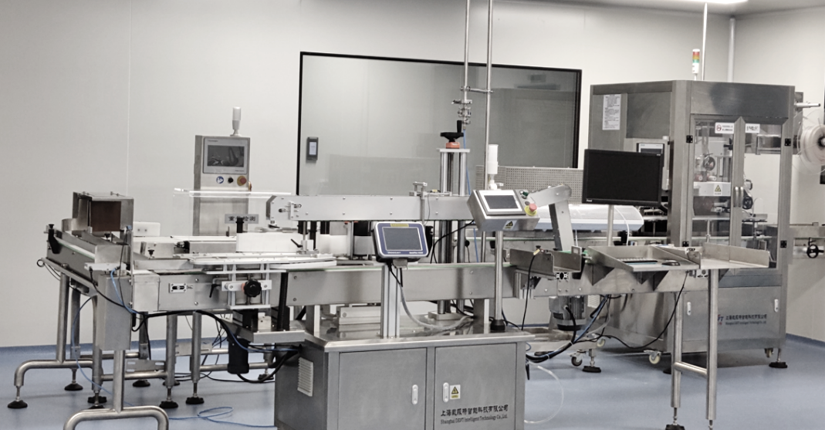
Fast forward to the present, we stand at a unique intersection of tradition and innovation. The advancements in manufacturing techniques for nk cell serum free media indicate a promising future, providing clarity for researchers eager to achieve optimal cell viability. While it is tempting to rest on our laurels regarding scientific progress, looking ahead reveals a landscape fraught with new challenges—efficacy, scalability, and of course, affordability.
Exploring Real-World Impact
From my perspective, the journey doesn’t end with adopting new media. The broader scientific community must embrace education around these advancements to maximize their utility. I recall a seminar in 2022 where leading experts discussed how NK cells cultured in optimized serums could revolutionize therapeutic efficacy. Implementing these insights within real-world applications might just be the key to unlocking novel therapies that change patient outcomes. As we observe these trends, we must also emphasize quality assurance and regulatory compliance to lend credibility to our approaches.
Final Thoughts on NK Cell Media
In the realm of NK cell research, the lessons learned steer us towards a clearer vision. To gauge the efficacy of transitioning to serum-free media, consider these metrics: cell yield, toxicity levels, and functional assays. Enhanced insights gleaned from these evaluation points pave the way for more precise applications in therapeutic settings. I invite you, dear reader, to reflect: how can we, collectively, champion this evolution in NK cell media? As we embark on this promising journey, let us leverage the resources and innovations brought forth by ExCellBio to ensure we create a legacy of hope and healing.