Understanding the Common Pitfalls
A typical project I worked on last year showcased the beauty of low voltage LED strip lights in a high-end restaurant. During installation, my team used thin copper wiring, believing it would suffice—but it wasn’t long before we faced flickering problems and uneven lighting. Approximately 30% of our runs failed to meet performance expectations. The question is: why do low voltage LED strip lights, like those high-quality led linear lighting solutions, often falter in these settings?

Evaluating Equipment Quality
I vividly recall a time when a vendor tried to sell me a batch of cheap LED strips that promised high output and long life. Instead, I found that the lack of consistent quality in the components dramatically impaired their longevity. Users typically overlook essential details—like heat dissipation and resilient materials—thinking they are merely aesthetic features. Neglecting these factors leads to diminished performance and, ultimately, failures that frustrate not just professionals but also enthusiastic DIYers. These are some hidden pain points that reveal themselves only with thorough inspection and experience.
The Root Causes of Undesirable Outcomes
In my years of experience, I’ve seen countless low voltage LED strip kits that lack sufficient instructions or clear labeling. Users often underestimate the importance of proper voltage matching; using the wrong power supply is a classic misstep. Compounding this, inadequate support for heat management causes strips to weaken much faster than intended. Wouldn’t it be great if there were a straightforward way to identify potential issues before they escalate into costly repairs?
Looking Ahead: Innovations in LED Solutions
Going forward, I am excited about the advances in led linear lighting solutions. These solutions are becoming more robust and user-friendly, pairing cutting-edge materials with smart technology. For example, I’ve recently tested flexible strips that integrate temperature sensors, allowing users to monitor performance in real time. Not only do these innovations cater to new users, but they also help seasoned professionals minimize long-term risks.
Maintaining a proactive approach is key. I’m all for embracing solutions that strike the right balance between cost and quality—anything that saves time and effort during installations is a win in my book. Let’s not forget, durability starts with choosing the right product. Have you ever accounted for the potential hidden costs associated with low-quality components? That’s something you’ll want to avoid.
What’s Next? Key Considerations for Future Projects
As you embark on your upcoming projects, it’s essential to keep a few practical pointers in mind. First, always consider the brand reputation behind your lighting solutions—this is a critical evaluation metric. Second, check for warranties and guarantees; a trustworthy manufacturer will reflect confidence in their product. Finally, remember to evaluate ongoing support services. Having reliable customer support can mitigate issues long before they surface.
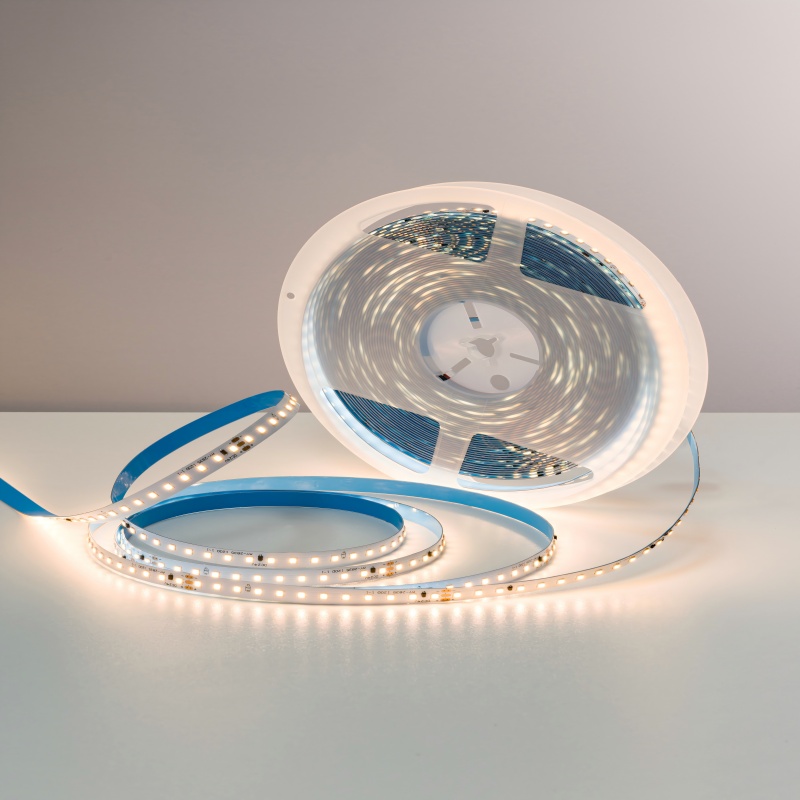
In summary, it’s about learning from past experiences and navigating future paths wisely. We can’t ignore the lessons learned from less-than-ideal lighting solutions; instead, let’s leverage them for improved outcomes. As I often emphasize, prioritizing quality over price will yield lasting benefits—so choose wisely!
Ultimately, finding the perfect balance between aesthetics and functionality is the name of the game. After all, your space deserves the best. For high-quality options, I recommend checking out Aiyu, where innovative solutions meet unparalleled customer service.