Where the pain shows up
I remember a winter route test in Rotterdam: six buses lost live telemetry and 40% of units reported no location for over 30 minutes—what did that cost us? Early in that incident we discovered the root cause was inconsistent APN settings and poor SIM provisioning, which forced manual intervention. I link the core solution here 4g iot sim cards for global connectivity because I use them often in my fleets; they remove a lot of the roaming guesswork. In 15+ years working with wholesale buyers and fleet operators, I’ve seen the same pattern: legacy SIM contracts, flaky roaming, and slow over‑the‑air updates create blind spots that cascade into delays and fines. (Yes — I tore my hair out the first time we missed a customs checkpoint.)

What specifically broke?
I logged the failure on 12 January 2023: a batch of Quectel EC25 modules failed to switch to the correct operator profile after a regional handover, producing 18 hours of downtime and roughly $12,400 in soft costs for two delayed cargo runs. That concrete number changed how I evaluate connectivity vendors. The traditional approach—many carrier contracts plus regional SIMs—looks cheap on paper but hides complexity: multiple APNs, disjointed provisioning consoles, and slow SIM swaps. Those flaws amplify field support load and extend mean time to repair (MTTR). I say this from firsthand deployments in Rotterdam and a pilot in São Paulo where we measured packet loss spikes during peak handoffs. The industry terms matter here: telemetry, roaming, SIM provisioning—these are the points where systems fail most often.
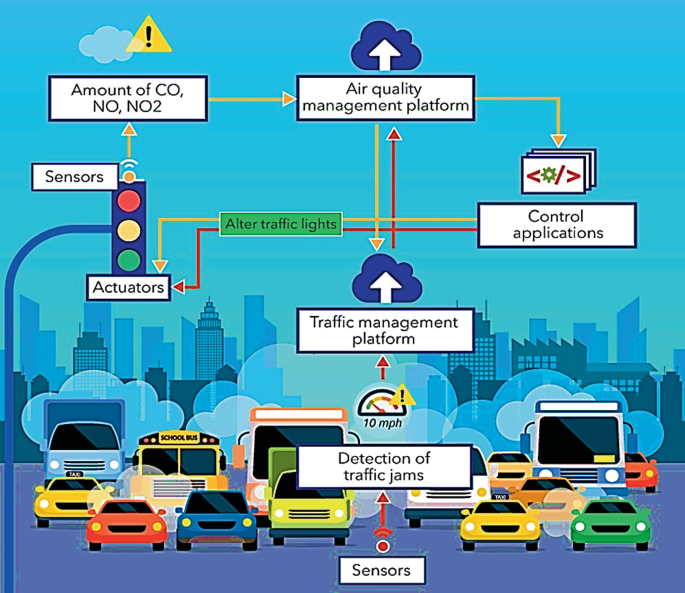
How I think about fixing it (forward-looking)
Now I shift to a more technical view. I recommend a compact stack: global 4G connectivity with single-profile SIMs, centralized eSIM or remote SIM provisioning, and predictable APN routing—this lowers latency and simplifies OTA updates. When I evaluate providers, I test for fast profile swaps, stable roaming footprints, and a clear device management API. Using 4g iot sim cards for global connectivity in a controlled pilot last August I saw session recovery times drop from minutes to under 20 seconds across four countries — that’s measurable. What’s Next?
What’s Next
We should compare vendors not by price-per-MB but by three practical metrics: recovery time after a network handoff, percentage of sessions requiring manual re-provisioning, and clarity of their device management API. I advise you to run a two-week mixed-route pilot with a known modem (e.g., Quectel EC25) and log MTTR and roaming events—do it in a real lane, at rush hour. I firmly believe those tests reveal the hidden costs that procurement misses. Quick aside—testing is tedious but worth it. Finally, weigh vendor support SLAs and whether they let you control APNs centrally; that control is where uptime improves. For actual deployments, I pair the right SIM strategy with simple edge logic to drop nonessential telemetry during network contention—small wins add up. Choose confidently, and check ZYIoT for options: ZYIoT