Introduction
I remember watching a small shop scramble the week a big order arrived—parts due in four days, two operators, one machine. In that mess I kept thinking about throughput numbers and waste: shops with similar setups report 20–35% downtime from changeovers and tool issues. CNC turning and milling machine setups matter more than most managers admit (and yes, I’ve measured it). So how do we cut the wait, keep accuracy, and still run mixed batches without burning out the crew? Let’s look at practical steps that actually help, not just glossy specs — and then we’ll dig into why some common fixes don’t work. This leads right into the deeper problems beneath the surface.
Why Traditional Mill Turn CNC Machine Approaches Fall Short
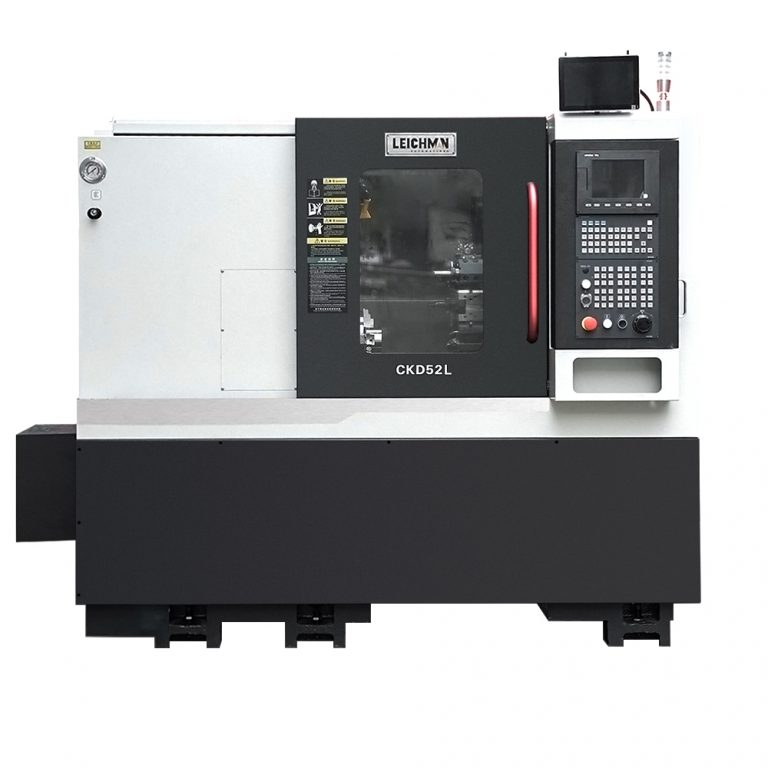
mill turn cnc machine setups are often sold as the cure-all: one machine, many ops, less handling. I’ve seen that promise fail when shops rely on only hardware capability and ignore process fit. First, toolpaths and fixturing get treated as afterthoughts. Second, operators patch routines with manual offsets and workarounds — which shows up as scrap later. Third, maintenance is reactive: spindle problems, degraded chuck grip, and worn inserts quietly erode precision. These are not exotic faults. They are routine—and fixable if you change how you plan work.
So what’s really wrong?
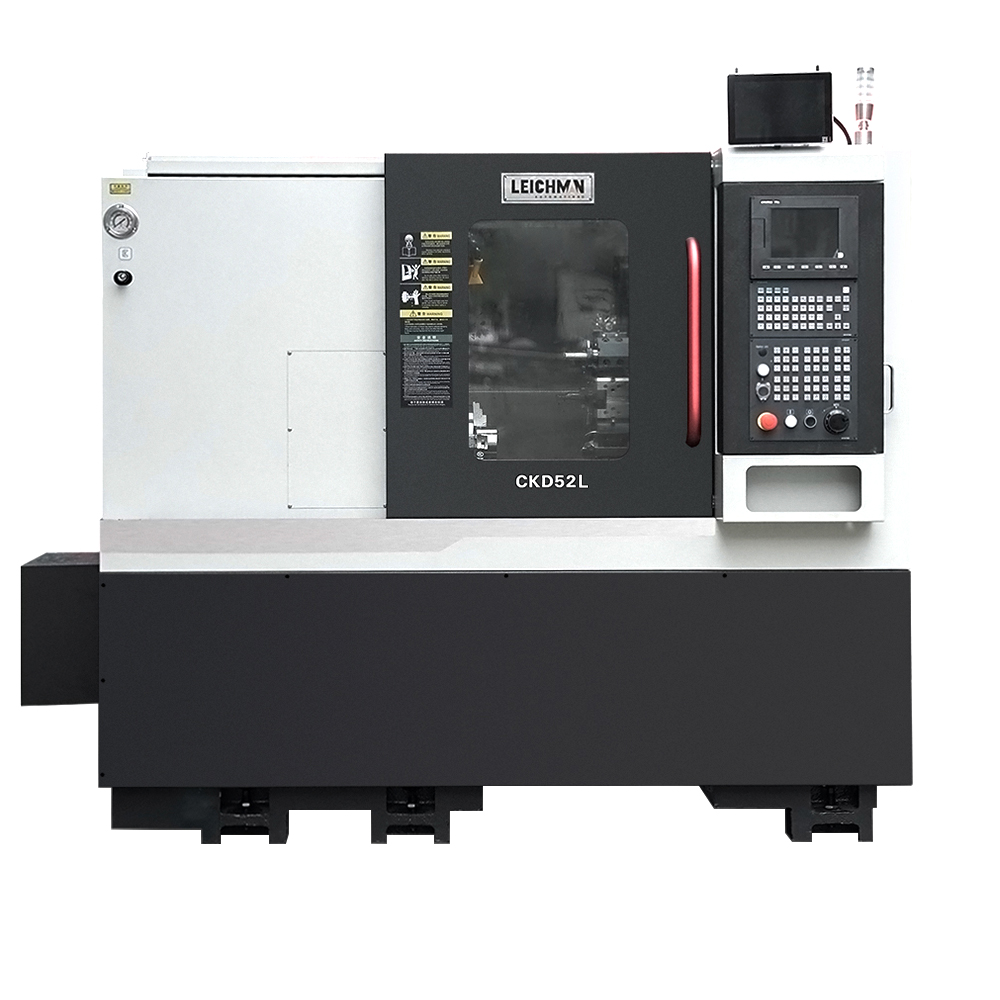
Technically speaking, the issue is a mismatch: the machine’s capability versus the shop’s workflow. The machine (turret, servo motor, coolant systems) can do complex moves, but the program and fixture downstairs aren’t optimized. I think of it like having a sports car and using it for grocery runs. You need the right setup — rigid fixturing, consistent tool life management, and clear program structure — not just a faster spindle. Look, it’s simpler than you think: focus on reproducible setups, standardized tool libraries, and scheduled spindle checks. That reduces changeover time and stabilizes cycle times. We also must stop assuming one operator can mentally track every offset — some automation in tool management helps. The result? Less scrap, more predictable lead times, and a calmer shop floor.
Future Outlook: Comparing New Paths for Heavy-Duty CNC Lathes
What’s next for shops that want better results without doubling headcount? One path is incremental: tighten processes, add sensor checks, and use better tooling strategies. Another is a step change: integrate smart monitoring and adaptive control. For heavy parts, a cnc heavy duty lathe with on-board diagnostics can flag torque spikes or axis drift before they ruin a batch. I’ve seen a shop cut rework by 40% after installing simple vibration monitoring and then training staff to interpret alerts — funny how that works, right? The difference comes down to planning versus firefighting.
What’s Next?
Practically, choose a path that matches your volume and variability. If batches are tiny and diverse, invest in fixtures and a modular tooling cart. If you run long, heavy parts, consider condition monitoring and a better chatter control strategy. Combine both and you’ll get the best of speed and quality. I’d also watch for features that help the operator: clearer HMI layouts, predictable tool changer cycles, and automated probe routines. These aren’t sexy, but they save hours and calm nerves — which is worth a lot. — and yes, I prefer concrete metrics over slick demos.
To wrap up with something useful: when you evaluate solutions, look at three metrics. First: effective uptime (not just run hours). Second: reproducible first-pass yield. Third: setup-to-setup variance in cycle time. Measure those for a month before and after changes. That will show real gains. If you want a practical partner when you start making these changes, check out Leichman. I trust them for hands-on support and sound machines — and I say that after seeing real shop-floor results.