Introduction
I remember walking into a dim studio where the air smelled faintly of cedar and electricity — and thinking, this feels like a scene from a modern fairy tale. In that little room, advanced red light technology hummed like a contented creature, promising repair and calm (and yes, a touch of wonder). Recent studies show users report faster recovery times and improved mood scores; still, numbers only tell half the story — what else should we be asking? I’ll sketch the scene, point to the data, and then nudge us toward the questions that matter next. — Let’s move on to what really trips people up.
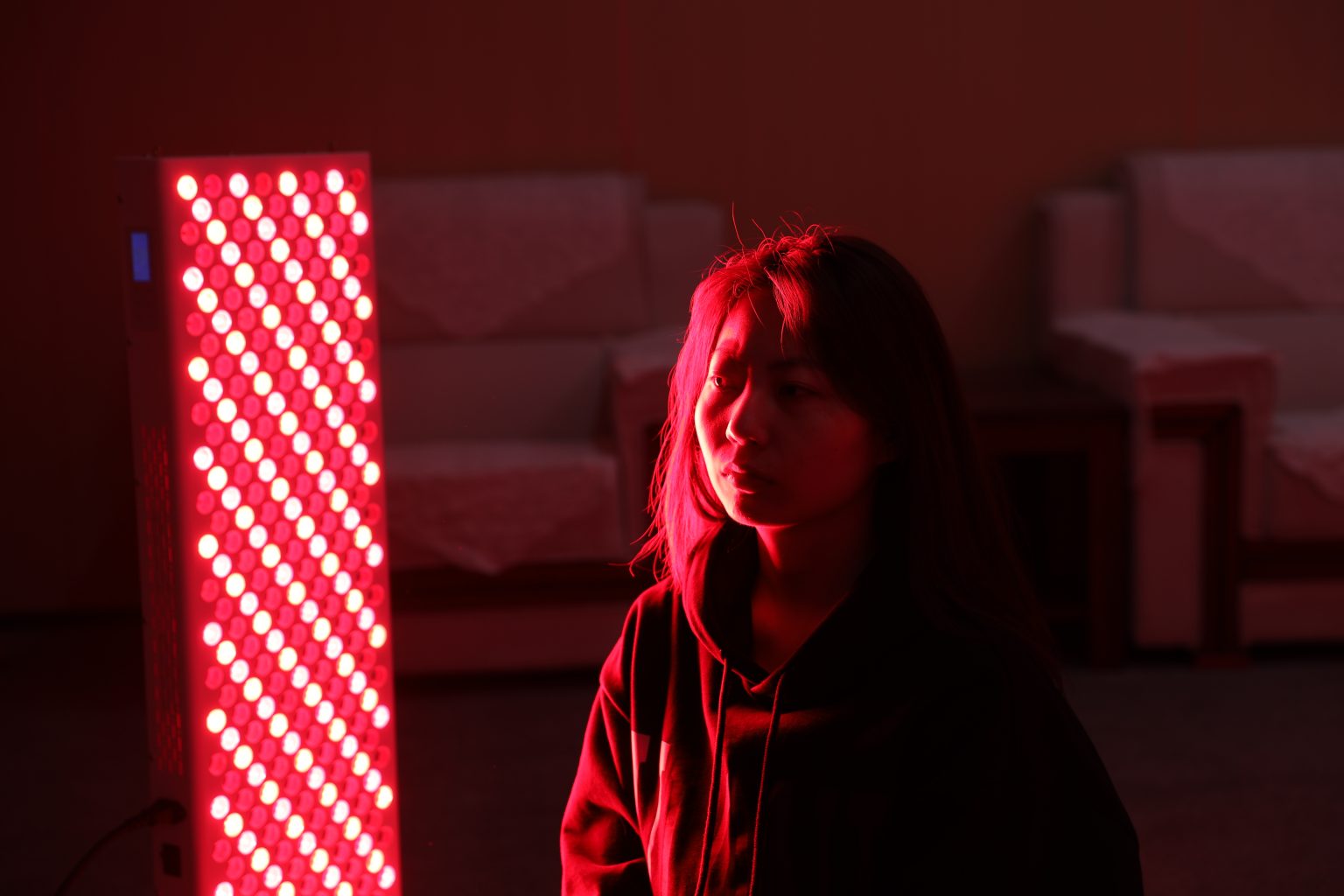
Where the Old Ways Break Down: Flaws and Real User Friction
red light therapy bed reviews often read like a list of specs: wattages, session lengths, LED counts. I’ve read dozens, and I still find that many reviews miss the deeper issues. In practice, rigid designs and one-size-fits-all intensity settings produce uneven irradiance across the body. Photobiomodulation is sensitive to dose and wavelength; if a bed’s LED arrays are poorly arranged, the promised benefits fall short. Look, it’s simpler than you think — users don’t just want brighter lights; they want consistency, comfort, and predictable outcomes.
Why do reviews miss this?
Many writers focus on obvious metrics — peak power, number of diodes. Yet they rarely test for real-world variables: edge heat, power converters that sag under load, how sensors cope with shifting body positions. I’ve watched customers return units because the beam pattern left gaps. That’s a pain point that clips the wings of even the most elegant product. We need tests that mimic real use: moving limbs, sweating, and short sessions repeated over weeks. — Funny how that works, right?
Forward View: Principled Advances and Practical Metrics
Now, let’s step forward. I want to talk about new technology principles that actually solve those pains — not hype them away. First, modular LED arrays with wavelength optimization allow tailored profiles for different zones of the body. Second, smart power management (better power converters, dynamic current control) keeps irradiance steady over a session. Third, simple user feedback loops — small sensors that monitor skin irradiance — close the gap between claim and experience. These ideas point to devices that are flexible and forgiving, not rigid and prescriptive.
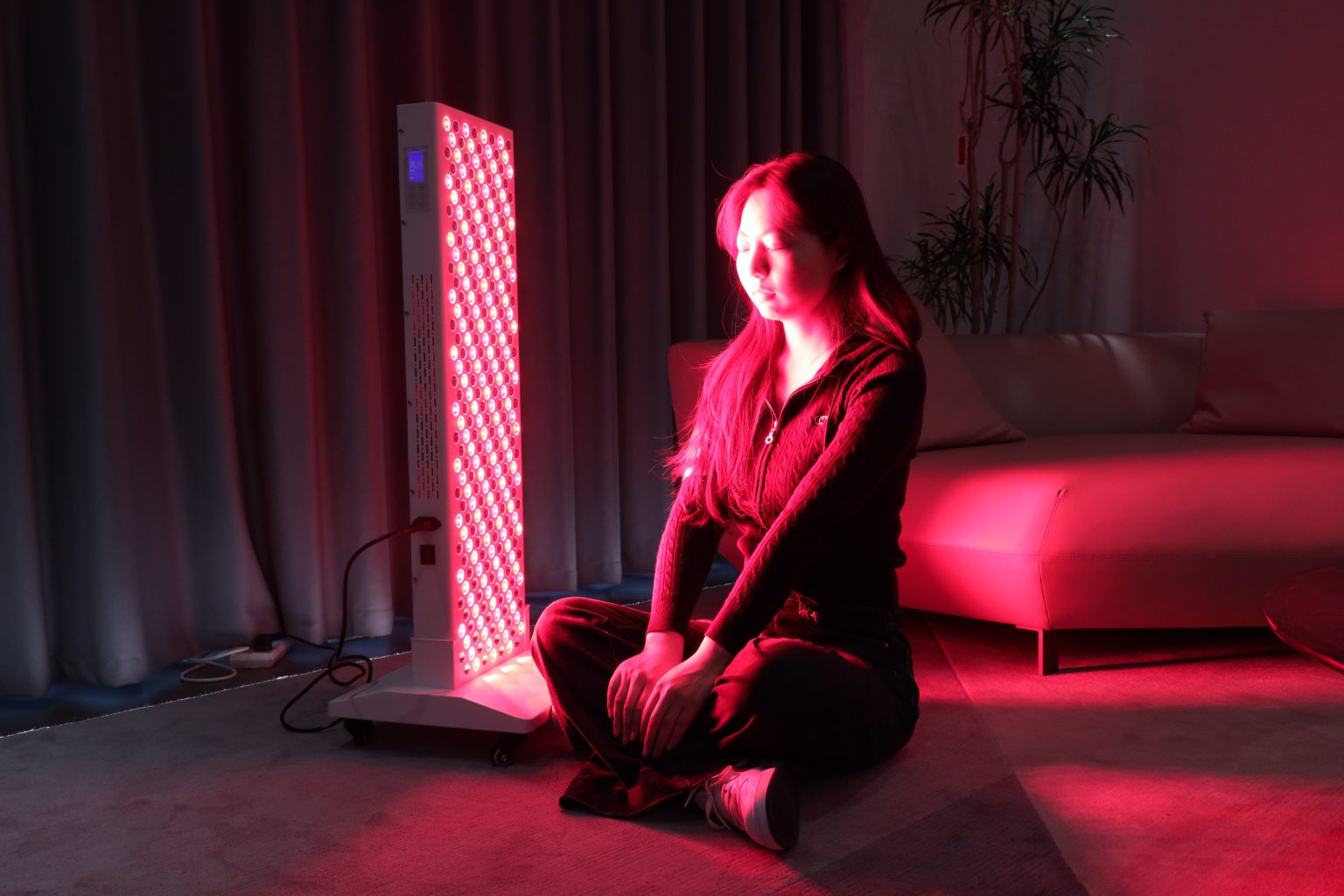
red light therapy bed reviews will need to evolve too. I expect reviews to include spot-checks of irradiance uniformity, thermal mapping, and real-session degradation tests. We should also look for whether manufacturers use edge computing nodes or onboard firmware to adjust dose in real time — that level of control separates a toy from a therapeutic tool. Oh, and don’t forget comfort factors: mattress padding, ventilation, and session ergonomics matter as much as photon counts.
What should you measure?
To wrap this up with something you can use today: I recommend three clear metrics when evaluating beds. First, uniformity ratio — how even is the irradiance across a typical body silhouette. Second, dose stability — does output decline with time or temperature swings. Third, practical ergonomics — is the unit comfortable for repeated use and does the control interface let you fine-tune sessions? These are measurable, actionable, and they reflect real user needs.
I speak from hands-on testing and from conversations with people who use these beds to manage pain or speed recovery. I want tools that behave predictably, not devices that read like mystical appliances. If you weigh these three metrics, you’ll sidestep many common pitfalls. — I hope this helps; it’s the sort of plain talk I wish I’d had on day one. For manufacturers, reviewers, and users aiming for clarity, the path is clear: measure what matters, design for variability, and report with honesty.
For further practical guides and product details, I’ve found some useful perspectives and testing notes at Magique Power. I trust you’ll find the right balance between science and sensible design as you look for solutions that actually work for people like us.